Custom Floating & Amphibious Work Platform Solutions
Designed for shallow water, rivers, lakes, wetlands, tidal flats and nearshore construction projects.
Water Construction Platforms for Different Jobsite Conditions
Common Challenges in Water Construction Projects
Common Challenges in Water Construction Projects
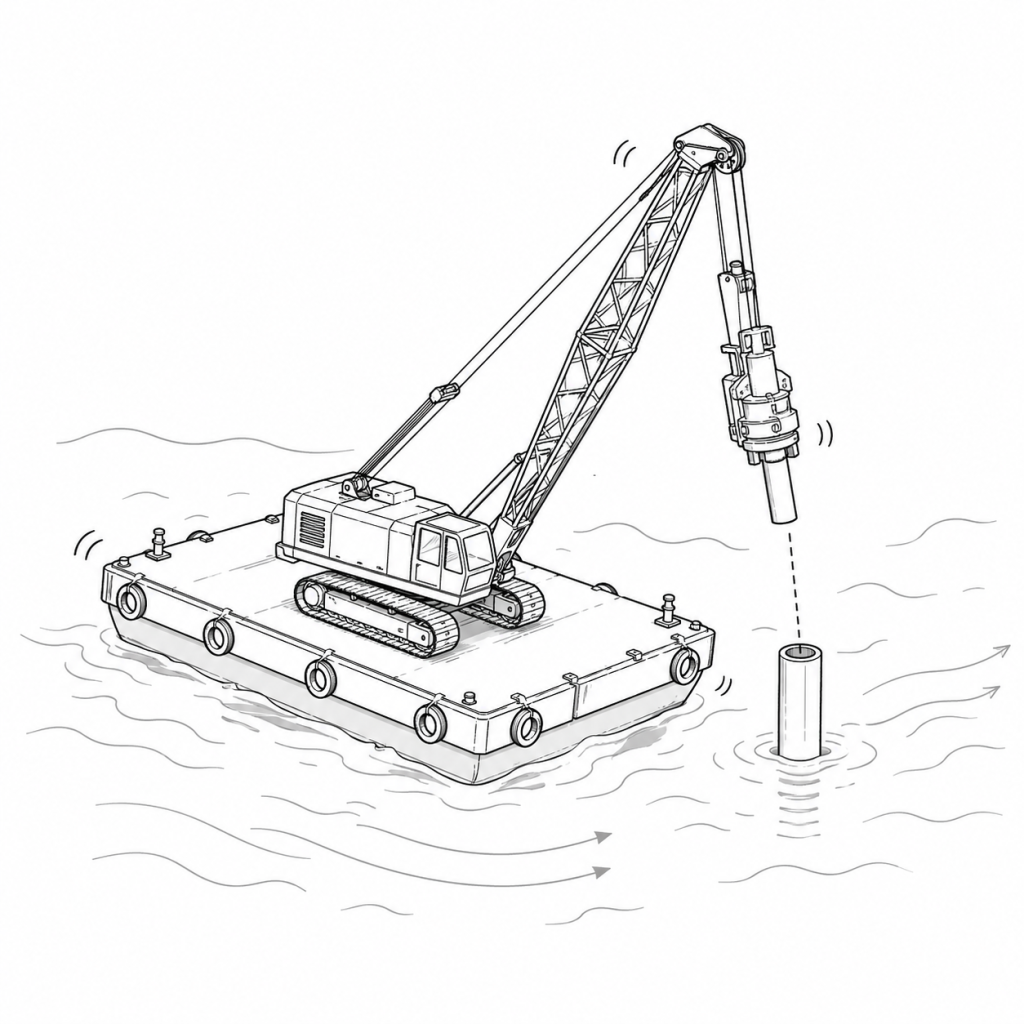
No Stable Working Base
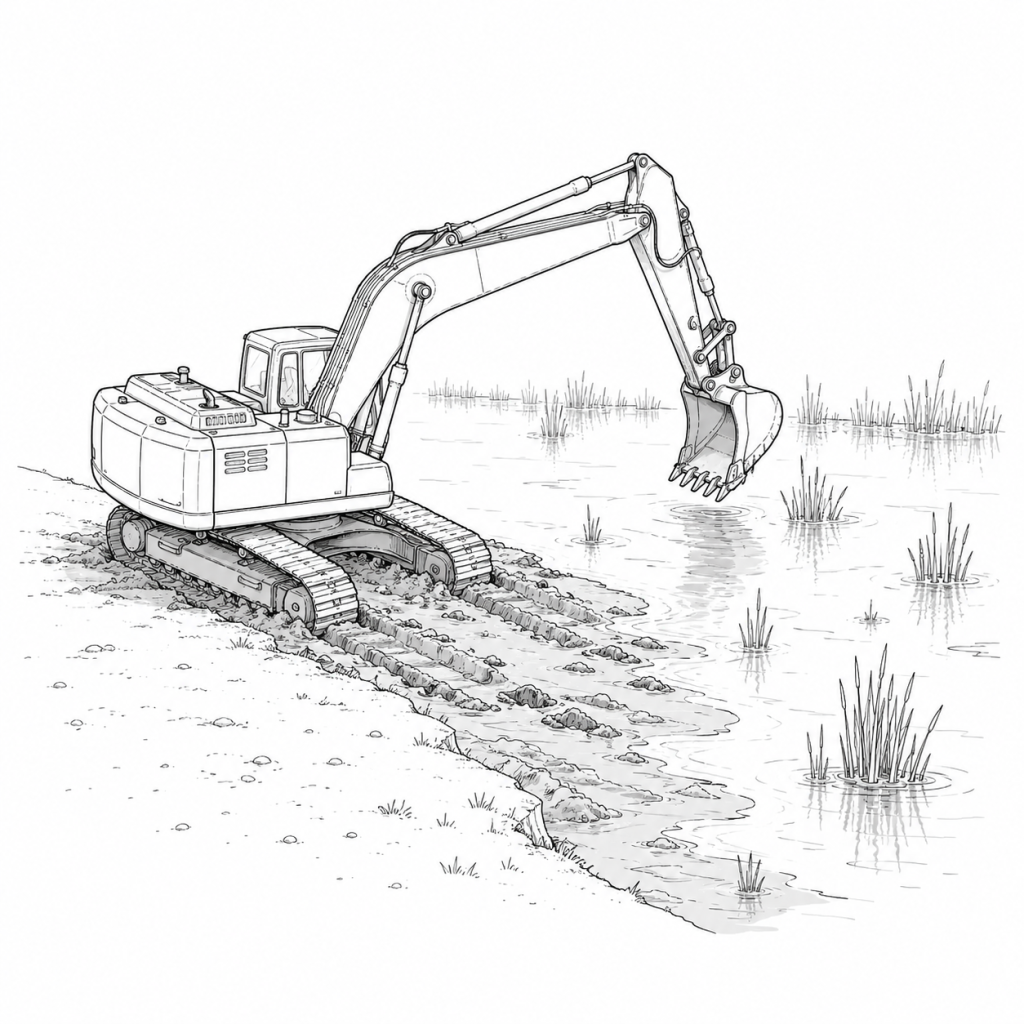
Land Equipment Cannot Reach the Site
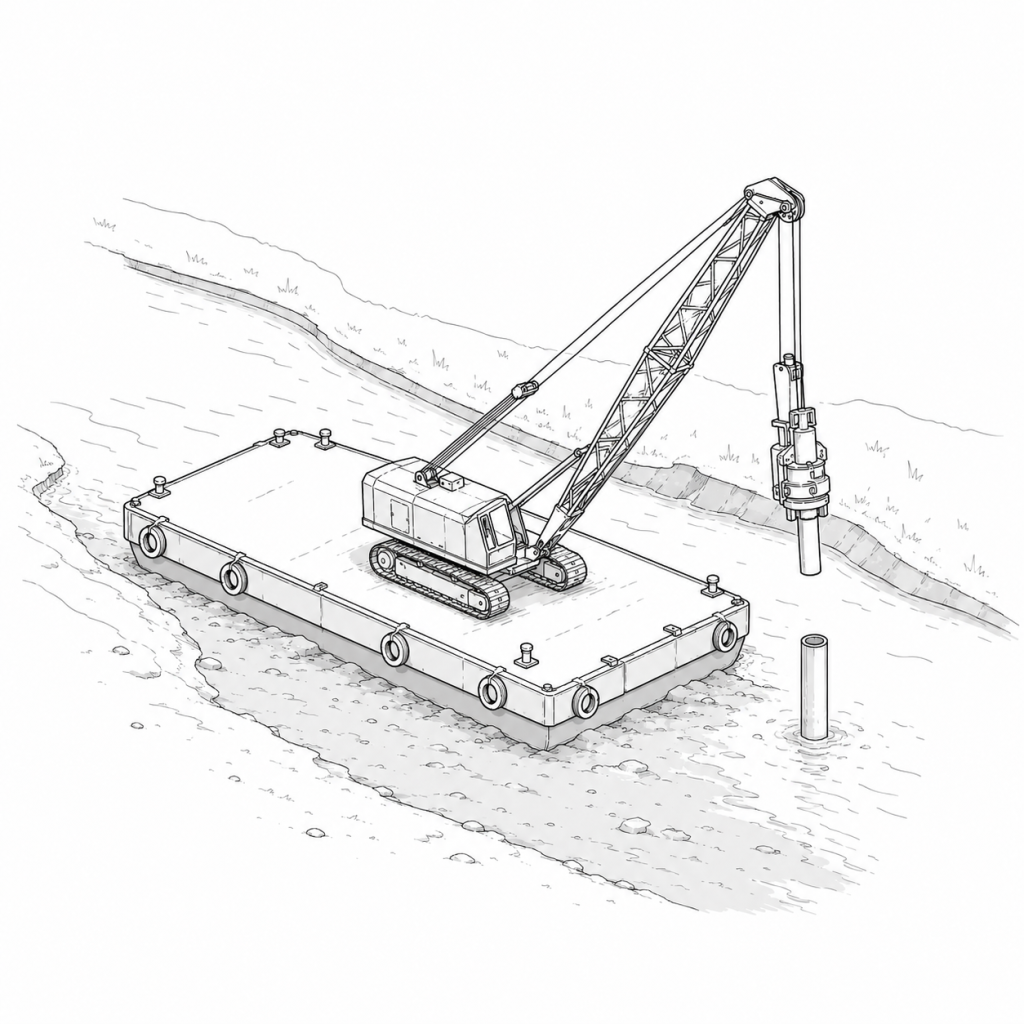
Conventional Barges Are Not Always Suitable
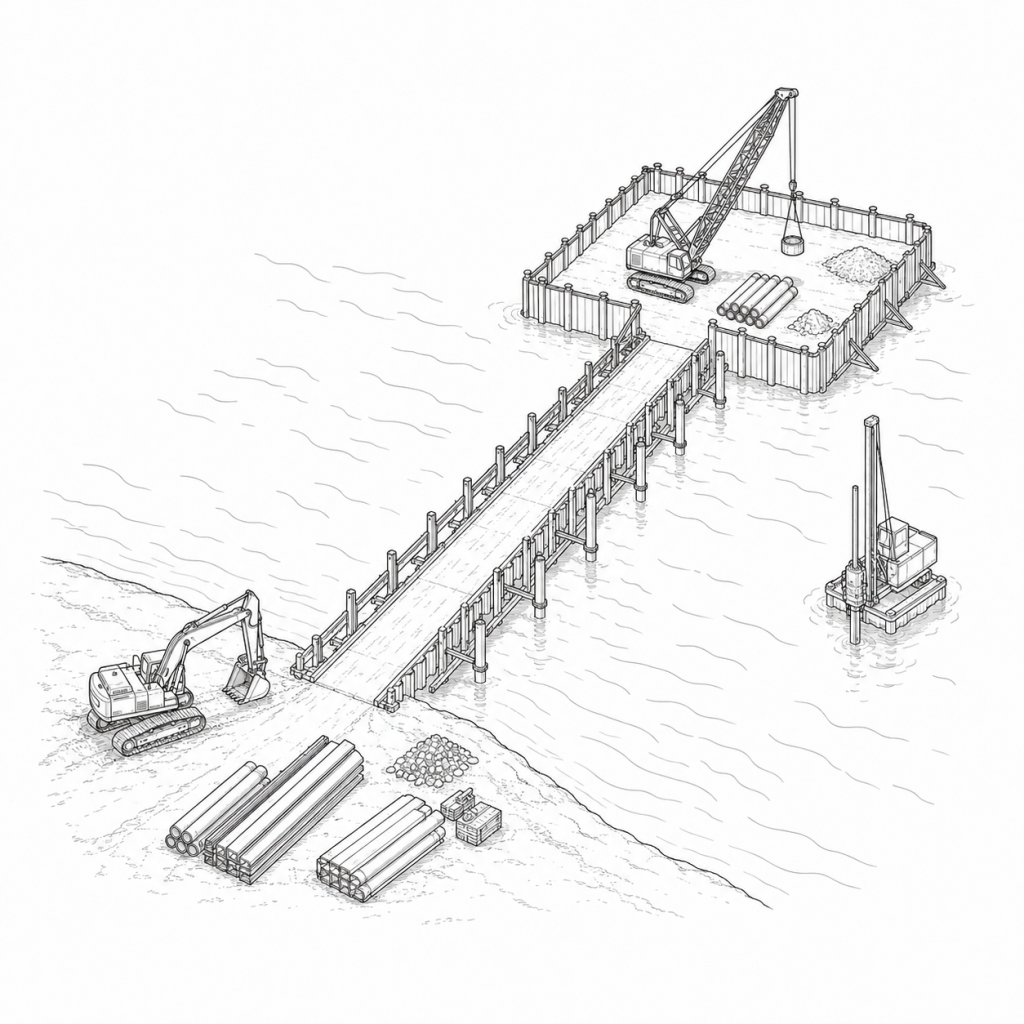
Temporary Access Costs Too Much
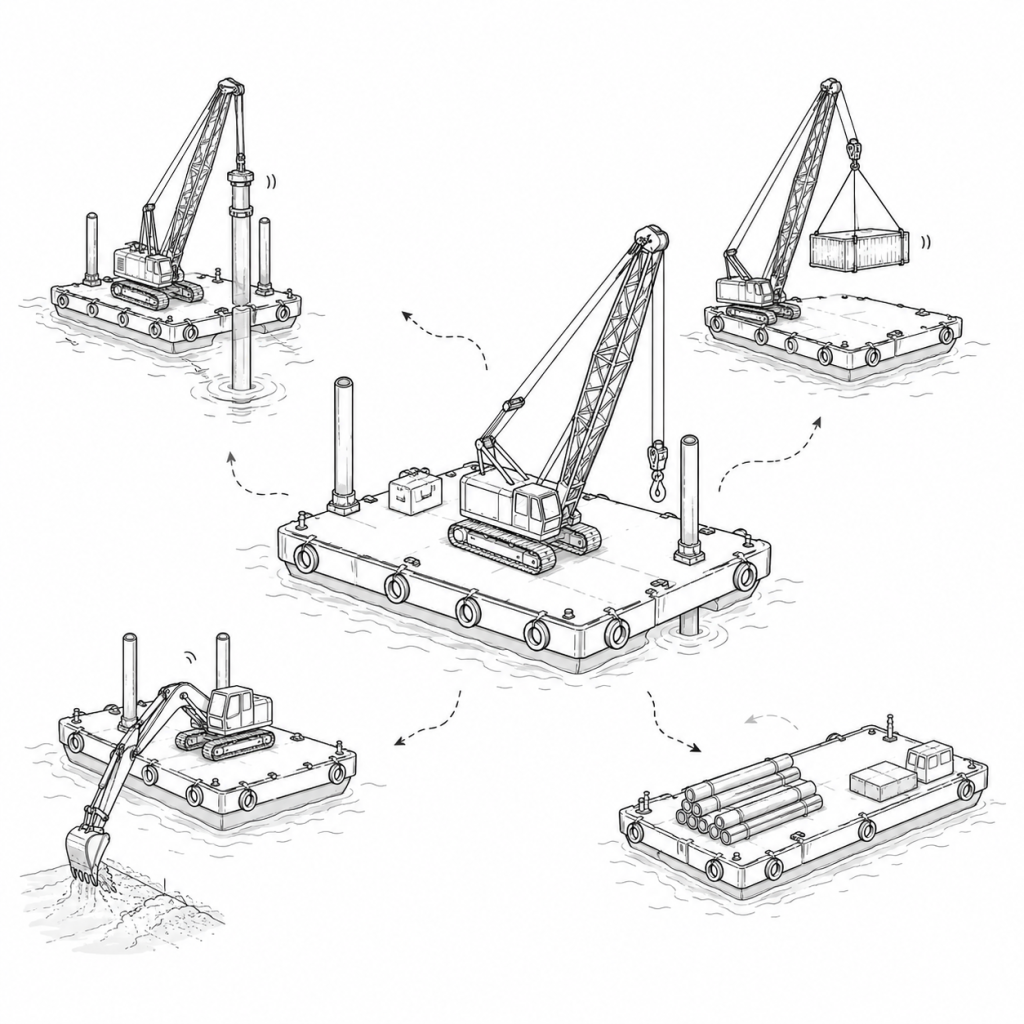
Different Work Requires Different Platforms
Platform Types We Can Customize
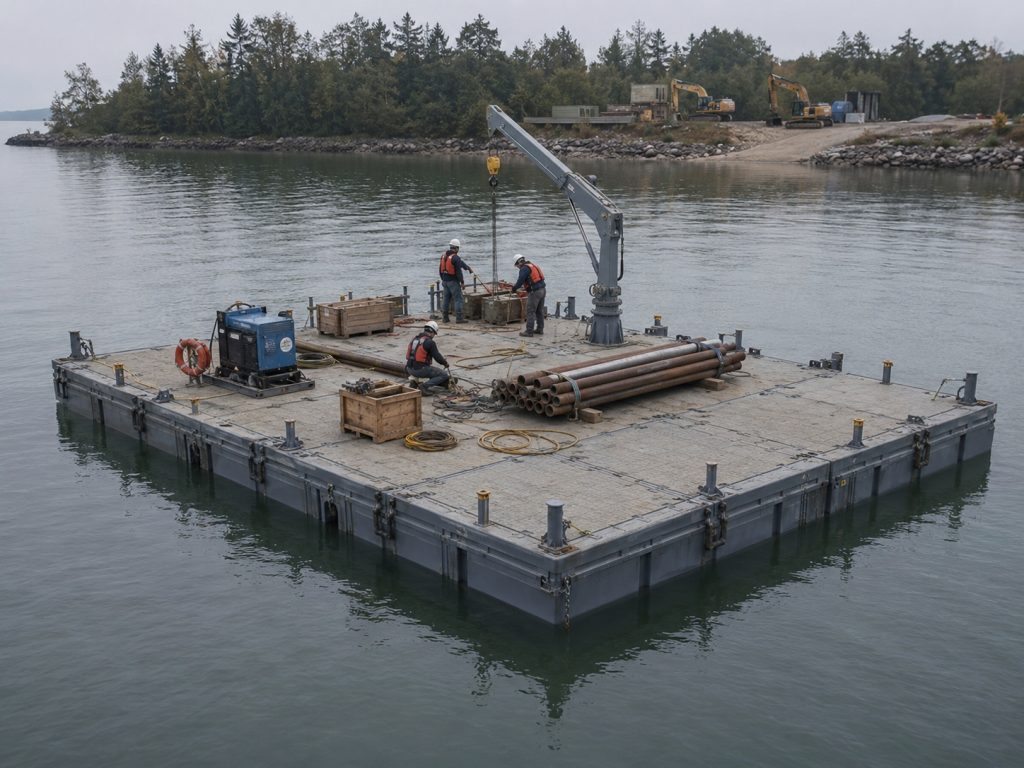
Modular Floating Work Platform
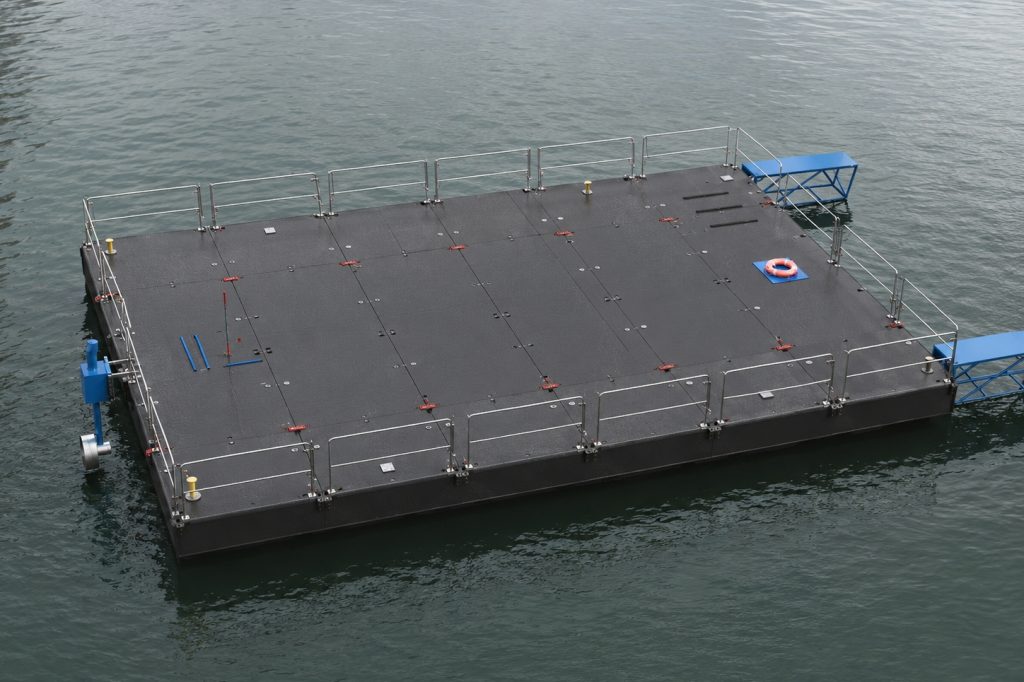
A modular floating work platform is assembled with multiple pontoons to form a stable deck on water. It is suitable for equipment support, material transport, dredging assistance, inspection, maintenance and temporary construction access.
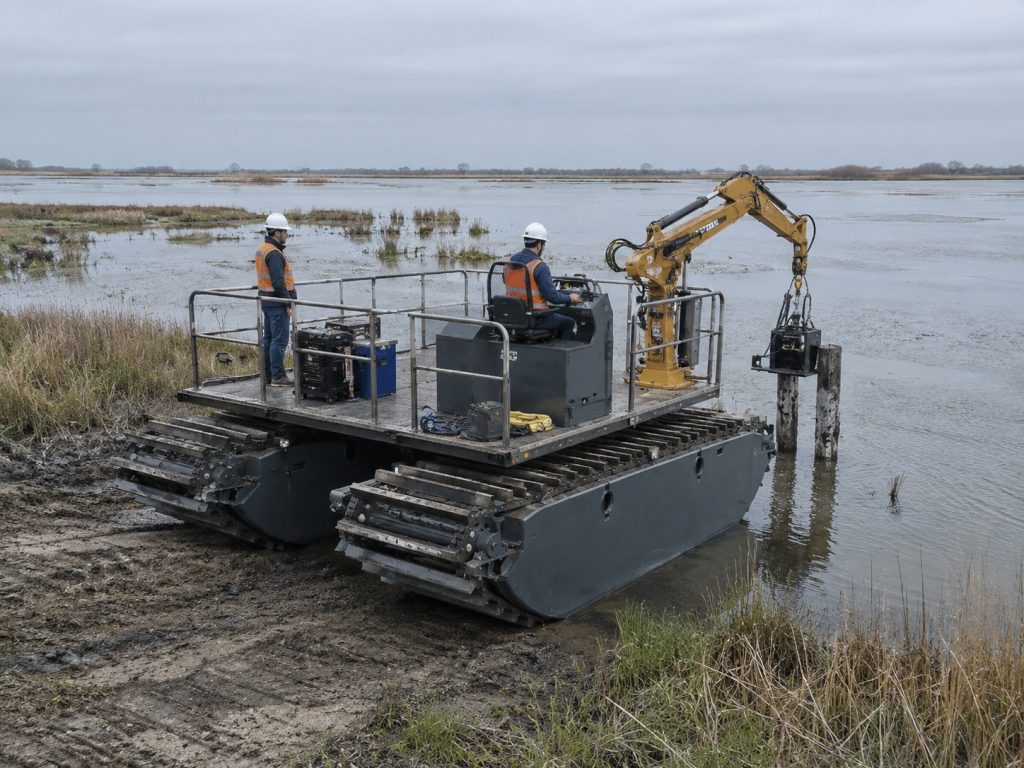
Amphibious Work Platform
An amphibious work platform combines buoyancy and ground mobility. It can move in shallow water and soft ground areas where ordinary land machines may sink and conventional floating platforms may not have enough access.
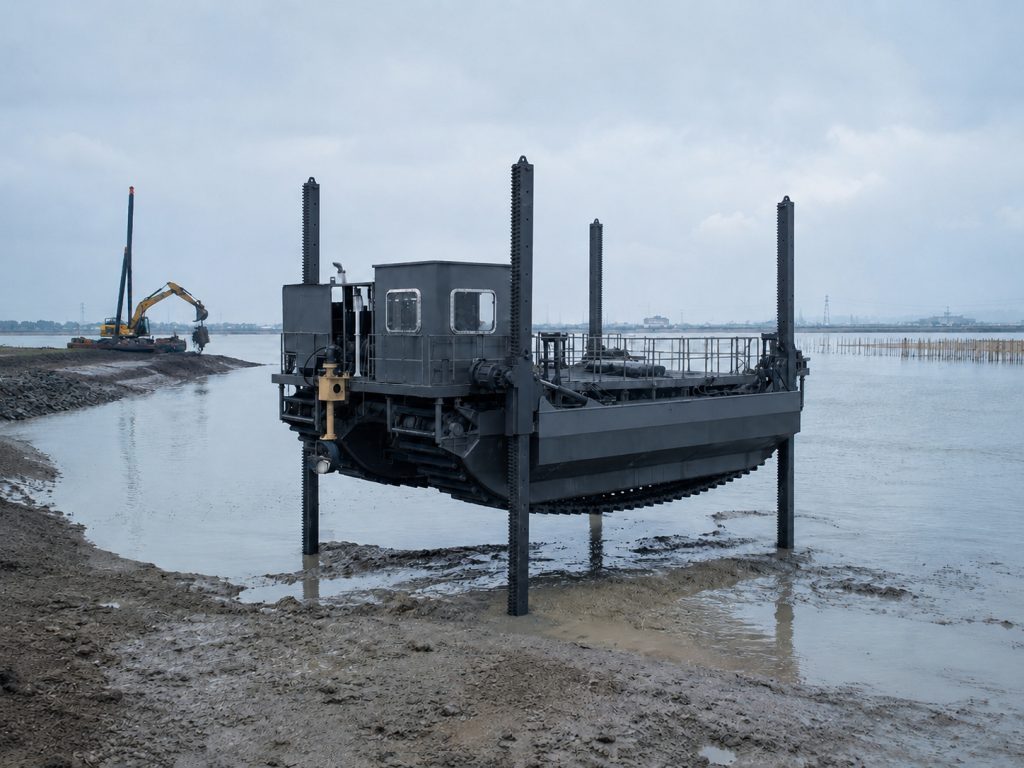
Amphibious Jack-up Work Platform
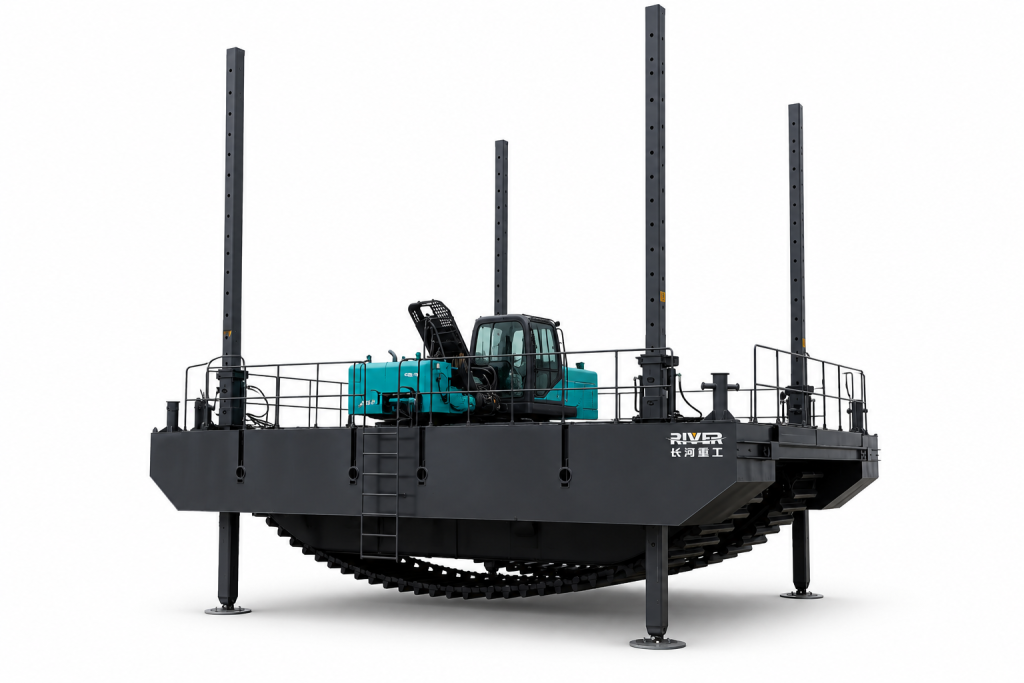
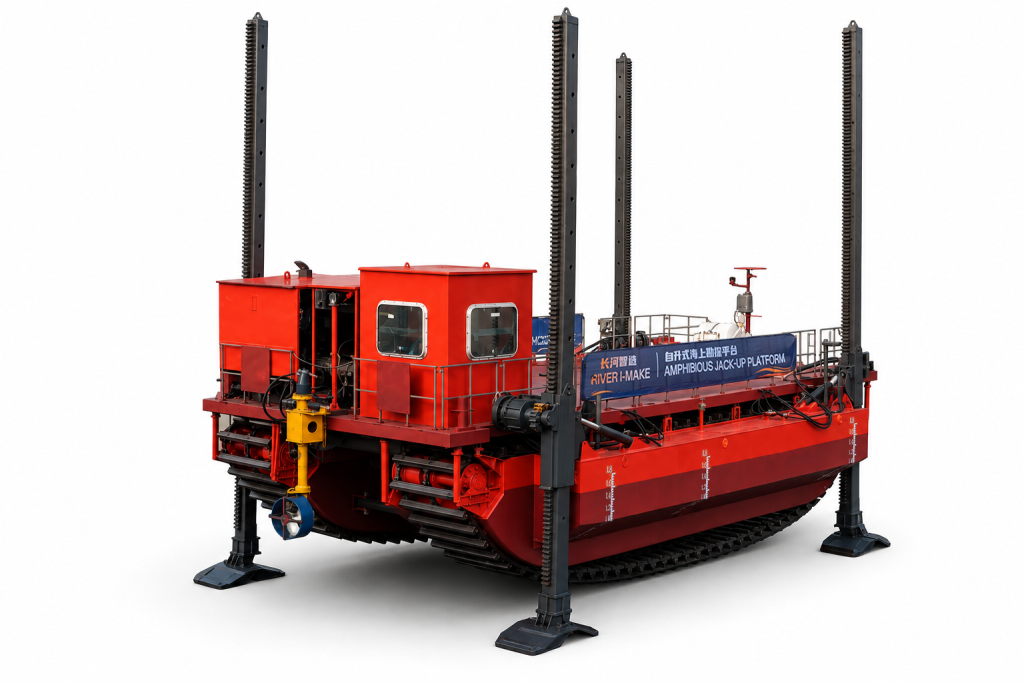
An amphibious jack-up work platform combines crawler pontoons, spud legs and a jacking system. It can move across soft ground or shallow water, reach the working position, and elevate the deck to provide a more stable working surface for construction equipment.
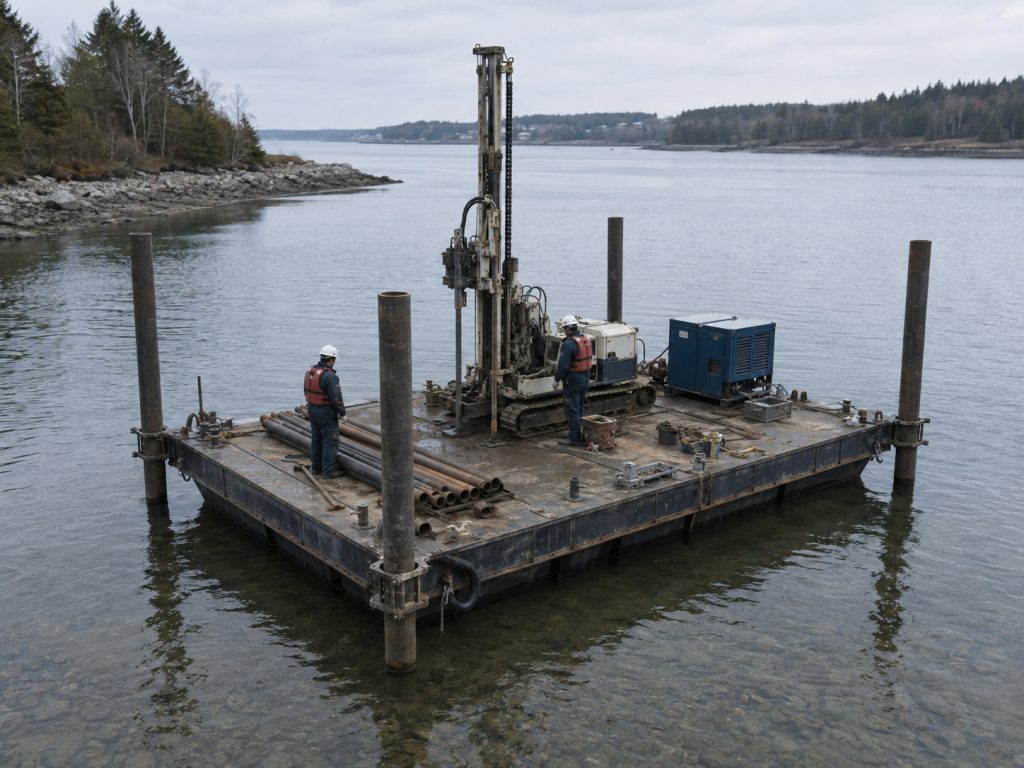
Spud-leg Working Platform
A spud-leg working platform uses vertical positioning piles to hold the platform in place during operation. It is suitable for projects that need better positioning stability than a freely floating platform, but do not require the deck to be fully elevated above water.
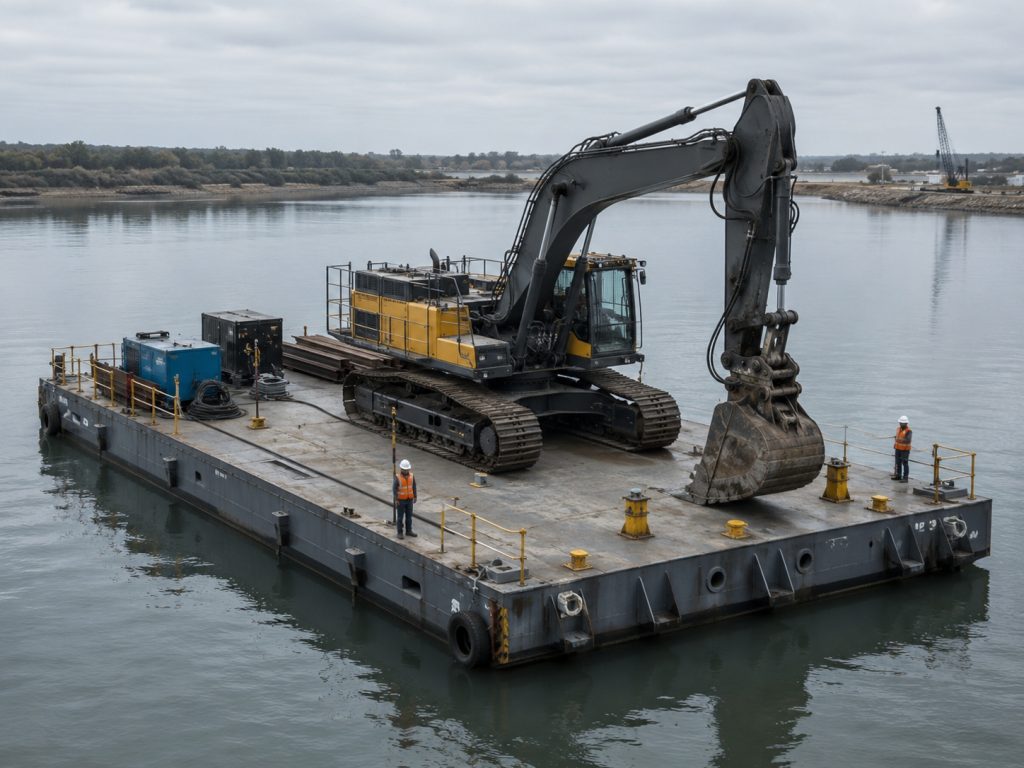
Equipment Carrier Platform
An equipment carrier platform is designed according to the mounted machine’s operating weight, working radius, load distribution and reaction force. It can be customized as a floating, amphibious, spud-leg or jack-up structure depending on the working condition.
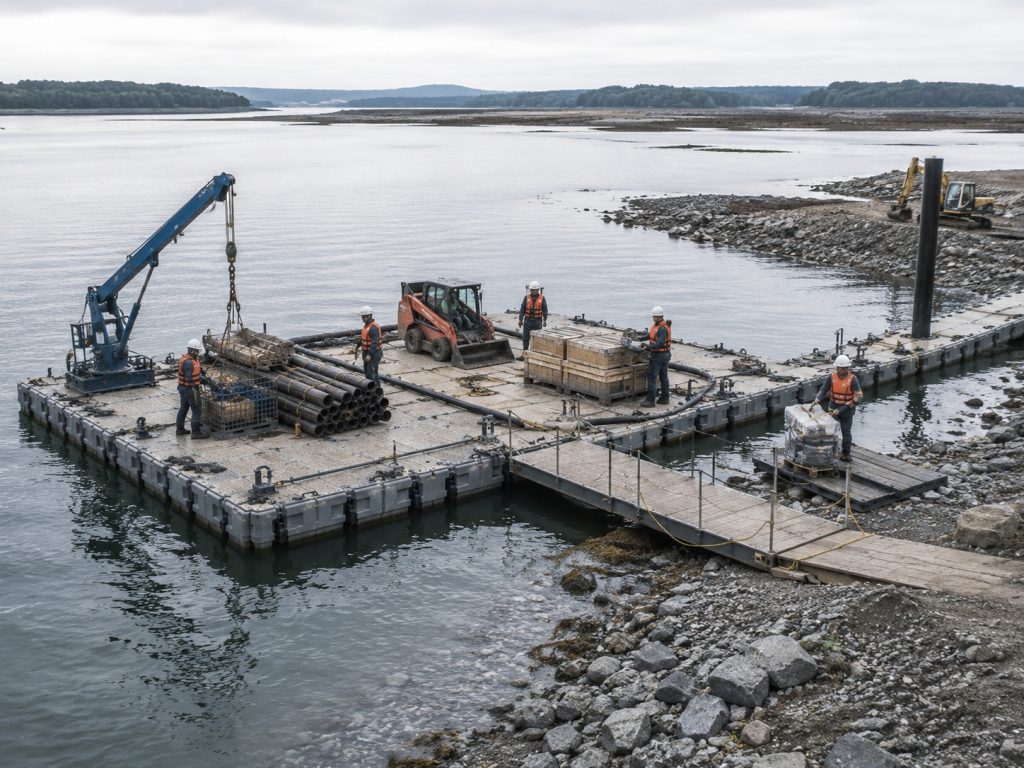
Temporary Access & Material Transport Platform
Temporary access and material transport platforms help contractors move equipment, materials and personnel in difficult water construction environments. They can reduce dependence on temporary roads, auxiliary boats or repeated equipment switching.
Why Water Construction Platforms Need Custom Design
Why Water Construction Platforms Need Custom Design
A water construction platform cannot be selected by model name only. The right design depends on the actual jobsite, working equipment and construction method.
Before recommending a platform, RIVER evaluates the project environment and equipment requirements. A platform used for calm river dredging is different from a platform used for tidal flat piling. A floating platform for material transport is different from a jack-up platform carrying a piling rig.
That is why we focus on custom platform design instead of offering only standard models.
Specific project factors and their impact on the platform are shown in the table.
| Project Factor | How It Affects Platform Design |
|---|---|
| Water depth | Affects pontoon height, draft, freeboard, spud length and jacking requirement. |
| Tidal range | Affects deck elevation, operation window, safety margin and mooring method. |
| Mud or soil condition | Affects ground pressure, pontoon size, crawler design, spud shoe and stability. |
| Working equipment | Affects deck strength, load distribution, platform size and reinforcement. |
| Working method | Floating, spud positioning, crawler movement or jack-up operation require different structures. |
| Deck load requirement | Determines pontoon volume, structural strength and safety factor. |
| Transportation limit | Affects modular design, split structure, trailer size and site assembly plan. |
| Corrosion environment | Determines coating system, hydraulic protection and marine-grade component requirements. |
Typical Applications
Tidal Flat Construction
Tidal Flat Construction
For intertidal zones, soft mud and coastal working areas where equipment access and stable operation are difficult.
Shallow Water Piling
Shallow Water Piling
For pile driving, foundation work and structural installation in rivers, lakes, coastal zones and tidal flats.
River & Lake Construction
River & Lake Construction
For dredging support, bank protection, bridge construction, inspection, maintenance and temporary equipment support.
Dredging Support
Dredging Support
For supporting excavators, dredging pumps, pipelines, power units and auxiliary equipment in water dredging projects.
Solar PV Construction in Tidal Flats
Solar PV Construction in Tidal Flats
For pile installation, material transport and temporary work access in tidal flat photovoltaic projects.
Nearshore & Coastal Support
Nearshore & Coastal Support
For nearshore pipeline, coastal infrastructure, small marine construction and temporary work base requirements.
Products & Project Cases
FAQ About Custom Water Construction Platforms
FAQ About Custom Water Construction Platforms