
Fish pond operations follow a predictable yet costly cycle. Organic sludge builds steadily with each production season. Dikes gradually erode and lose structural integrity.
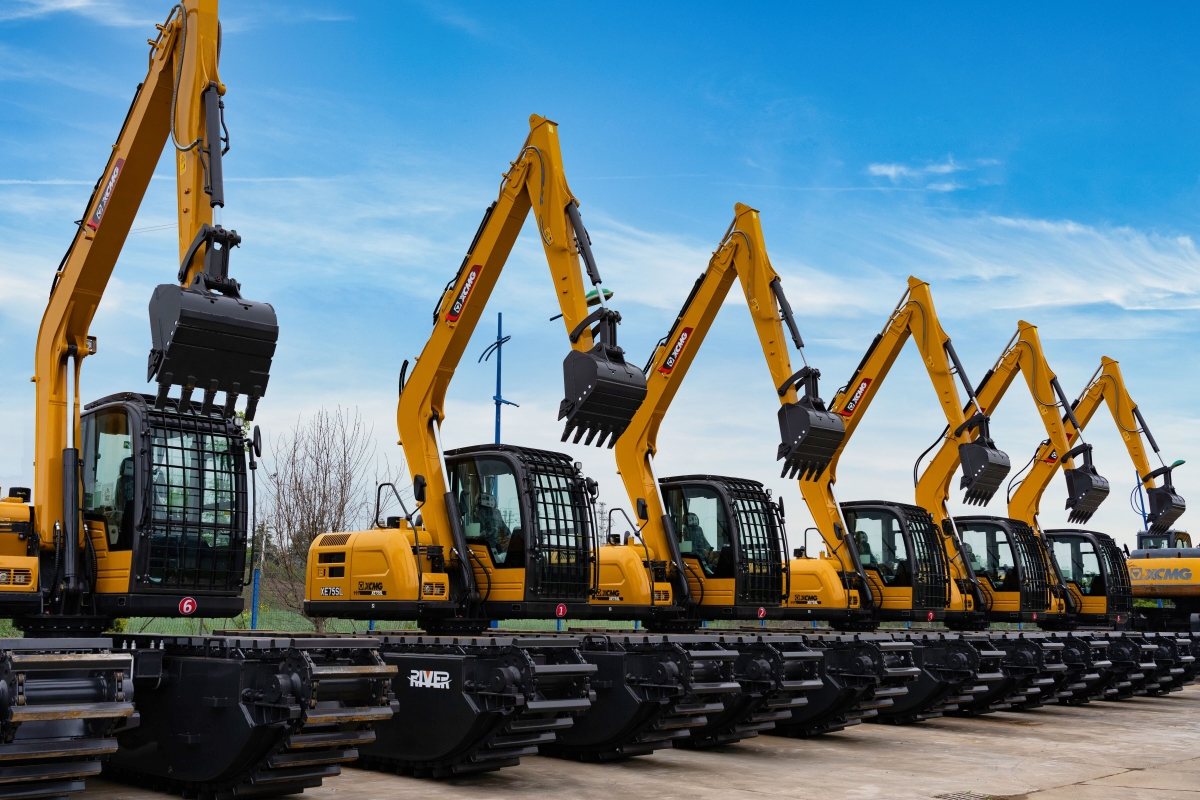
When major cleaning is unavoidable, the usual response is to drain the pond. This choice harms fish stocks, disrupts harvest schedules, and still leaves weeks of hard work ahead. A more efficient path is now available: the River amphibious excavator.
Challenges in Fish Pond Management
A working fish pond creates a hostile environment for most heavy equipment.
The bottom consists of a thick slurry of organic mud, typically 0.5 to 2 meters deep. Water depth fluctuates between 0 and 1.5 meters. Surrounding dikes remain narrow, waterlogged, and overgrown with vegetation.
During wet months, all surfaces soften further. Traditional methods fail under these conditions because they rely on firm, dry ground—something a pond rarely provides.
Limitations of Conventional Excavators
- They sink. High ground pressure forces standard tracks into the slurry, stranding the machine.
- They cannot work in water. Water deeper than 0.5 meters makes digging impossible. As a result, full drainage becomes necessary—a step that often kills fry and ruins the production cycle.
- They waste time and money. The sequence of draining, sun-drying, dredging, and refilling drags on for weeks. Rising pump costs, additional labor requirements, and repeated movement damage the pond base.
Safety risks also multiply when heavy machines operate on wet, angled embankments.
The River Amphibious Excavator Solution
The River amphibious excavator is engineered to solve these exact challenges.
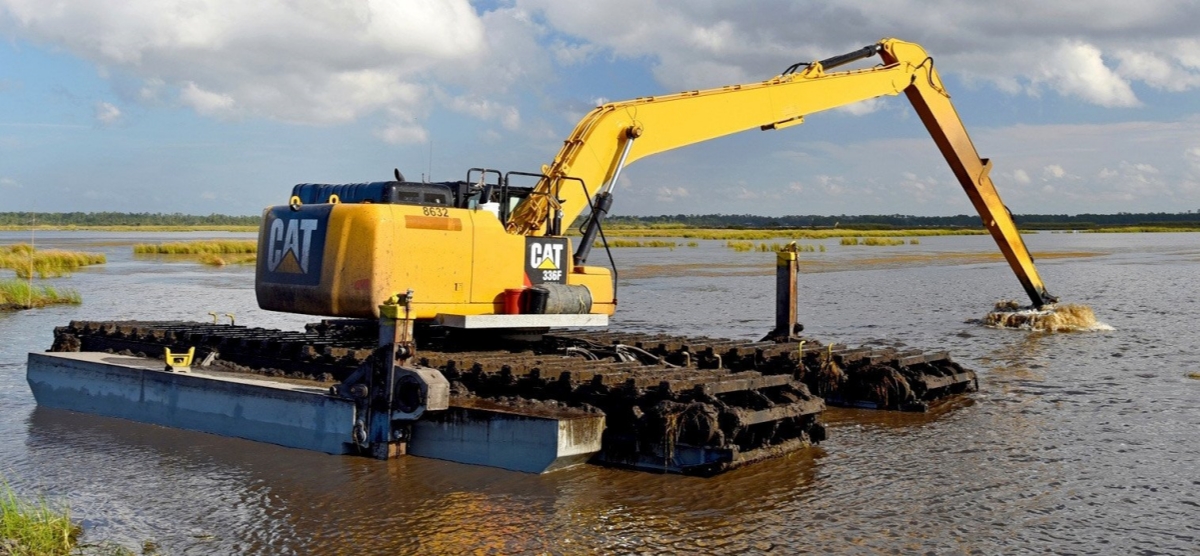
Its broad pontoon undercarriage keeps ground pressure below one-third of a standard excavator. This allows the machine to float across soft mud and propel itself through water up to 1.2 meters deep.
With the RIVER amphibious excavator, draining is eliminated.The amphibious excavator enters the pond directly and begins work immediately. Operators can remove silt, reinforce dikes, and deepen shallow zones while fish remain undisturbed in the water.
An optional remote control allows safe operation from solid ground when site conditions demand it. Throughout the job, the River amphibious excavator maintains strong stability and steady output.
Proven Benefits for Fish Pond Management
Field results show a sharp change in performance.
Faster projects. Eliminating the drain-and-dry phase cuts total project time by 50 to 70 percent. What once took weeks now finishes in days.
Lower costs. Dewatering pumps, extra labor crews, and multiple equipment moves are no longer needed.
Eco-friendly operation. The operator can preserve a thin protective sediment layer. This protects bottom-dwelling organisms and avoids chemical use.
Safer work. A low center of gravity and amphibious traction nearly eliminate the risk of rollover on wet pond edges.
For both routine silt removal and urgent repair, the River amphibious excavator delivers reliable, fast results.
Wider Applications
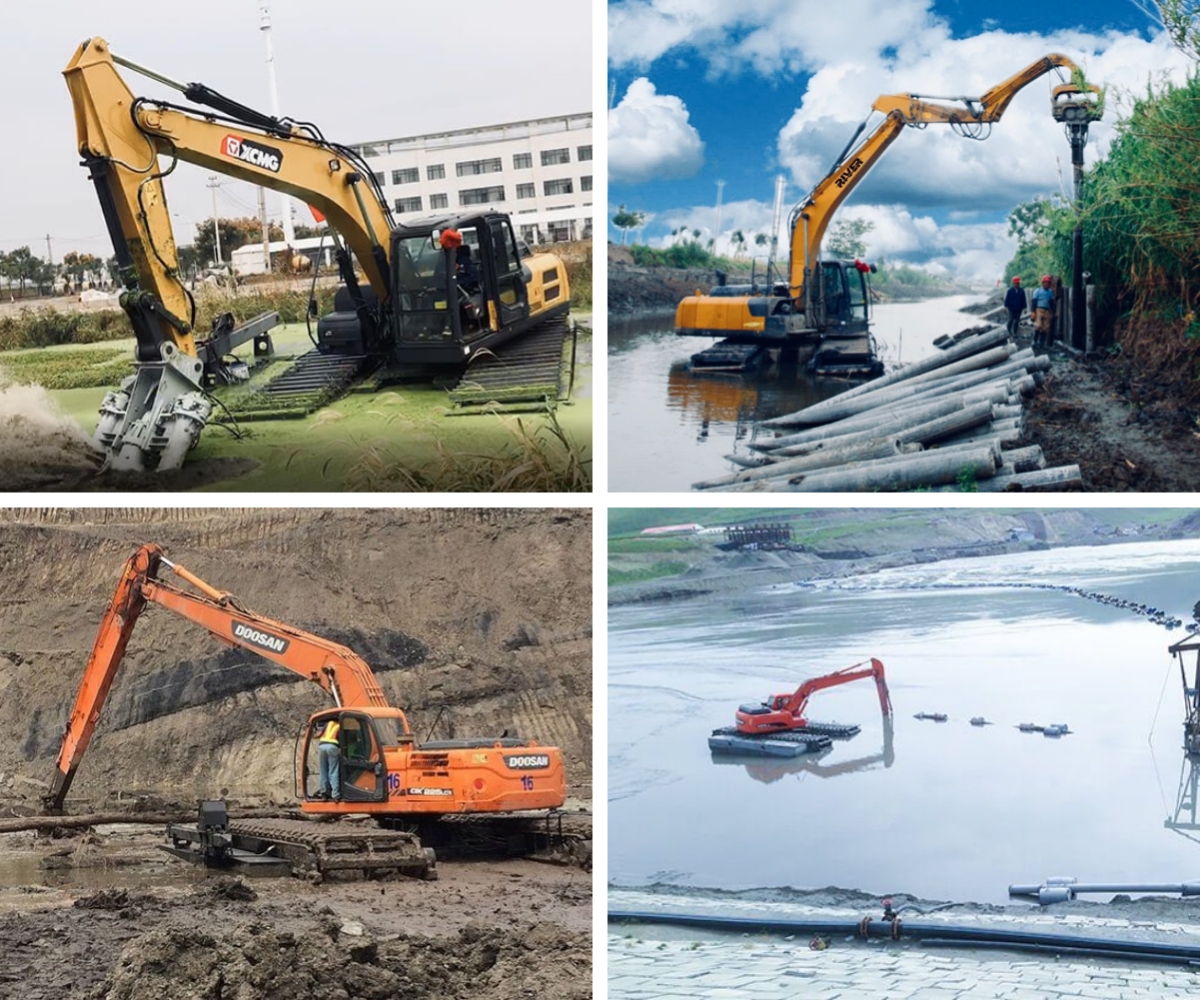
Beyond fish pond management, the RIVER amphibious excavator is widely deployed for river dredging, lake restoration, wetland construction, and salt pan maintenance. Municipal teams use this amphibious excavator to clean canals and stormwater ponds. Wastewater treatment plants rely on it for sludge removal. It also performs efficiently in rice paddy renovation and shrimp pond restoration.
Conclusion
Fish pond management no longer forces a hard choice between lost production and unsafe working conditions. The River amphibious excavator solves the central challenge of operating on soft, submerged ground. No draining.
Faster turnaround. Lower costs. For aquaculture operators, contractors, and fleet owners working in tough terrain, this is a clear step forward. It is ready to perform from day one.